A buyer arriving at a Port Vila home or coastal property will make an early judgement long before they study the land size, title details or building plans. The best upgrades before selling are rarely the most expensive. They are the improvements that make a property feel well maintained, easy to own and appropriately priced for its location, whether it is a family residence in Malapoa, a waterfront villa in Pango or a lifestyle holding on Santo.
For Vanuatu vendors, preparation should begin with a commercial question: will this work help attract stronger enquiries or support a higher sale price than it costs? A tailored appraisal and an honest assessment of competing stock are the right starting point. Not every property needs a full renovation, and overcapitalising can reduce the return on sale.
Start with repairs buyers can see
Deferred maintenance can make even a well-located home feel risky. In a tropical climate, buyers are alert to signs of water ingress, corrosion, mould, termite activity and storm wear. Small issues can lead them to assume there are larger, more costly problems behind the walls.
Prioritise practical repairs before cosmetic changes. Attend to leaking taps, damaged gutters, loose handrails, cracked tiles, faulty door hardware and windows that do not open or lock properly. Repair visibly weathered exterior timber, secure decks and balustrades, and ensure outdoor steps are safe. If air-conditioning units, ceiling fans, pumps or hot-water systems are included in the sale, have them serviced where appropriate and keep relevant records available.
Roof condition deserves particular attention. A clean, sound roof and functioning drainage help demonstrate that the home has been cared for through wet-season conditions. On beachfront and coastal properties, address rust and corrosion early. Buyers who are familiar with the region understand the maintenance demands of salt air, but they still expect those demands to have been managed.
This work may not create dramatic listing photos, yet it can prevent distractions during inspections and negotiations. A buyer who sees a home operating as it should can focus on its position, lifestyle and potential rather than calculating a repair allowance.
Improve street appeal and the arrival experience
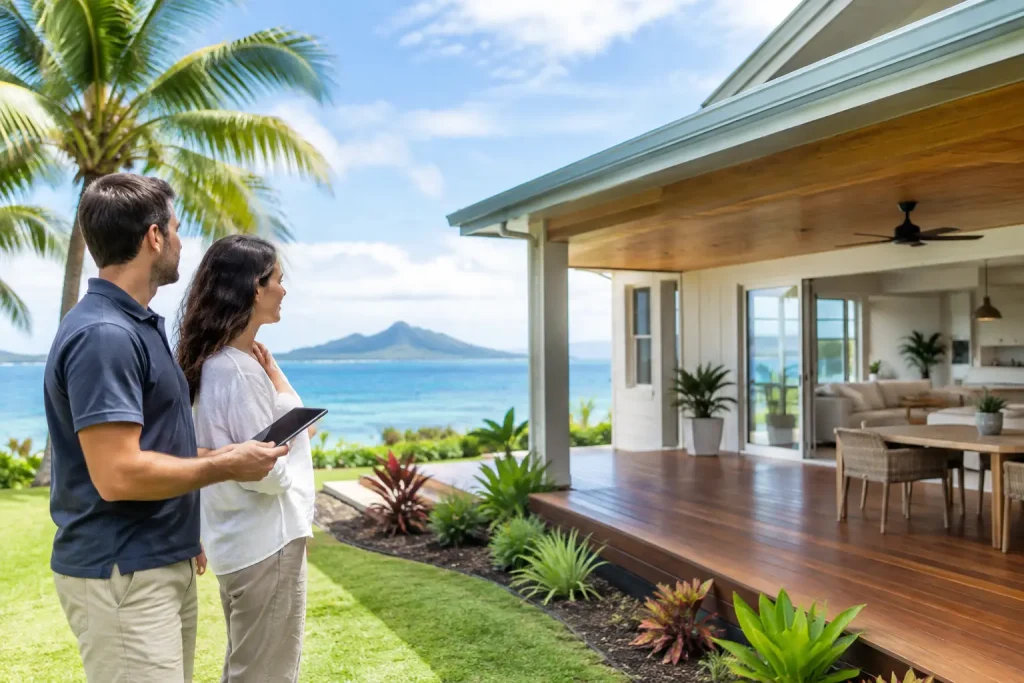
In Vanuatu, the approach to a property is part of the product. Access, parking, drainage and landscaping all shape a buyer’s first impression, particularly where buyers are considering a property from overseas and relying on professional photography, video and a limited number of inspections.
Keep the entrance clear, tidy and easy to understand. Trim overgrown vegetation away from paths and structures, remove green waste and unnecessary stored items, and make sure the driveway or access track is passable and well presented. Refresh a tired gate, front door or boundary fence if it is the first element buyers encounter.
Landscaping should look established, not overworked. Mow lawns, prune palms and shrubs, define garden edges and remove dead plants. For larger blocks, clear only enough to show usable land, views and building potential. Excessive clearing can reduce privacy, shade and the tropical character buyers value.
Paint can be one of the strongest presentation upgrades when applied selectively. A fresh exterior trim, entry wall, veranda ceiling or front door often delivers more impact than repainting every room. Choose clean, neutral colours that suit the architecture and environment. A distinctive property can retain its personality, but highly personal colours or neglected finishes make it harder for buyers to picture their own use of the home.
Make outdoor living sell the lifestyle
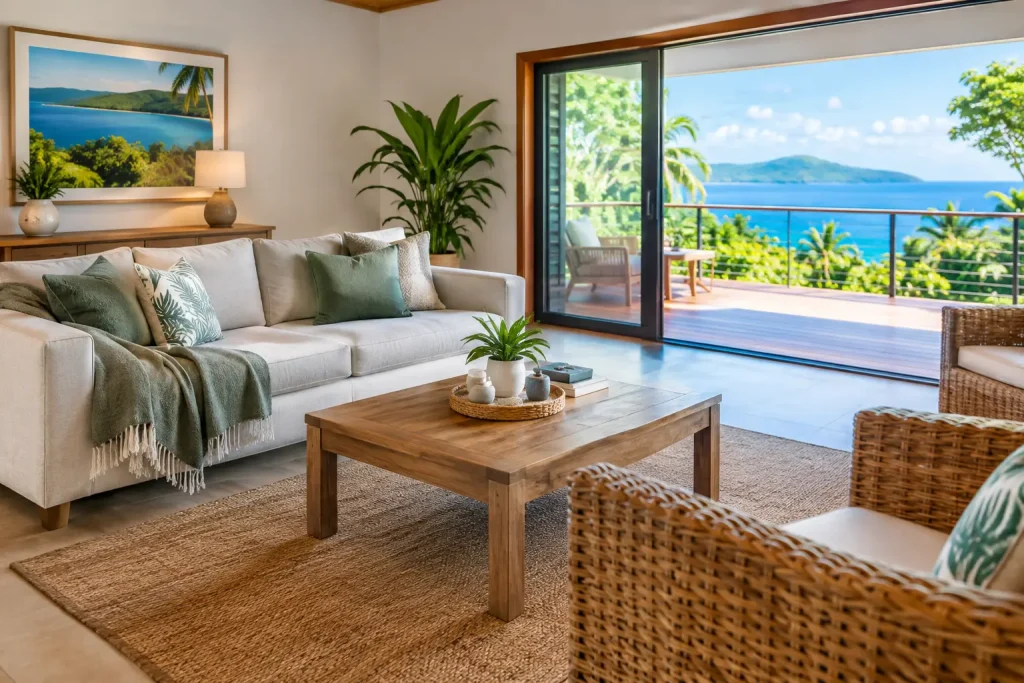
Verandas, decks, pools, gardens and entertaining areas are central to how many buyers assess Vanuatu property. These spaces should be presented as usable rooms, not storage zones.
Clean outdoor furniture, pool surrounds and glass balustrades. Remove faded cushions, broken pots, unused building materials and excess equipment. If the property has a pool, ensure the water is clear and the surrounding area is orderly. A modest investment in lighting, replacement fans or refreshed deck oil can improve the sense of comfort during afternoon and evening inspections.
For waterfront properties, do not try to disguise the realities of coastal ownership. Instead, show that the property has been responsibly maintained. A well-kept seawall, tidy beach access, secure boat storage or maintained waterfront deck can reinforce buyer confidence.
Refresh kitchens and bathrooms without rebuilding them
Kitchens and bathrooms influence perceived value, but complete replacements are not automatically the right answer. In a property where finishes are serviceable and the price point does not justify a major renovation, targeted updates usually provide the better return.
Start with deep cleaning. Grout, silicone, shower screens, taps, cabinetry and benchtops should be in their best condition. Replace stained silicone, cracked mirrors, worn handles and dated light fittings where needed. Repair dripping taps and ensure toilets flush properly. Fresh white towels and uncluttered benches can make a bathroom feel more generous without substantial cost.
In kitchens, consider replacing damaged handles, tired tapware or visibly worn splashback sections. Ensure cabinet doors align, appliances are clean and bench space is clear. If an entire kitchen is outdated, seek advice before committing to a high-cost replacement. A buyer may prefer to create a kitchen suited to their own family, rental or hospitality plans, and a new fit-out that misses their preferences may not be fully reflected in the sale price.
The same principle applies to flooring. Repair loose boards or broken tiles and professionally clean existing surfaces before deciding on replacement. New flooring can transform a tired interior, but it must suit the property and withstand local conditions.
Prepare for the questions serious buyers will ask
The strongest upgrades are not always visible. A prepared vendor can make a transaction feel more certain by organising property information before the campaign begins.
Gather documents and maintenance records relating to renovations, utilities, solar systems, water tanks, generators, pool equipment, boundary matters and regular servicing. If a property is leased, ensure the tenancy details, rental income and maintenance history are clear. For commercial assets or tourism-related properties, accurate operating information is particularly valuable.
Buyers may also look closely at water supply, power reliability, internet access, septic systems, access arrangements and cyclone preparedness. If these features are strengths, present them clearly. If there are limitations, provide straightforward information rather than allowing uncertainty to dominate discussions.
For land or homes with development potential, make the site legible. Mark access points where appropriate, remove obvious rubbish and identify views, level building areas or established services. Do not make claims about subdivision, zoning or future development without proper confirmation. Credibility is more valuable than an optimistic assumption.
Know what not to upgrade before selling
Vendors sometimes spend heavily because they want their property to feel perfect. The market does not always reward that approach. High-end finishes in a modest home, extensive structural alterations without a clear buyer demand, or elaborate landscaping that increases ongoing upkeep can all narrow the return.
Avoid upgrades that introduce delay, require complicated approvals or create unfinished works close to launch. A clean, complete and well-priced property will usually perform better than a property midway through an ambitious renovation. If substantial works are genuinely required, discuss the likely buyer response and pricing strategy before proceeding.
It also depends on the intended buyer. A premium beachfront residence may justify upgraded outdoor entertaining, quality fixtures and professional styling. An investment property may benefit more from reliable appliances, low-maintenance finishes and clear rental evidence. A home on a large block may sell on land, position and future potential rather than a designer bathroom.
Present the finished property with purpose
Once improvements are complete, inspection presentation needs to hold the same standard. Keep rooms cool, bright and uncluttered. Open curtains to show garden, water or mountain outlooks, while managing harsh sunlight where necessary. Remove personal paperwork, excess furniture and valuables. The aim is not to make the home look empty, but to make its proportions and best features easy to understand.
Professional marketing should then focus on the details that matter to qualified buyers: location, land area, building size, bedroom and bathroom configuration, parking, access, views, outdoor living and the practical systems that support ownership. Ray White Vanuatu can help vendors identify the improvements that suit the property, its likely buyer and current market conditions.
The right preparation gives buyers fewer reasons to hesitate. Invest first in condition, presentation and proof that the property has been cared for, then let its location and lifestyle do the work they are meant to do.